 Sports · Sun Belt Post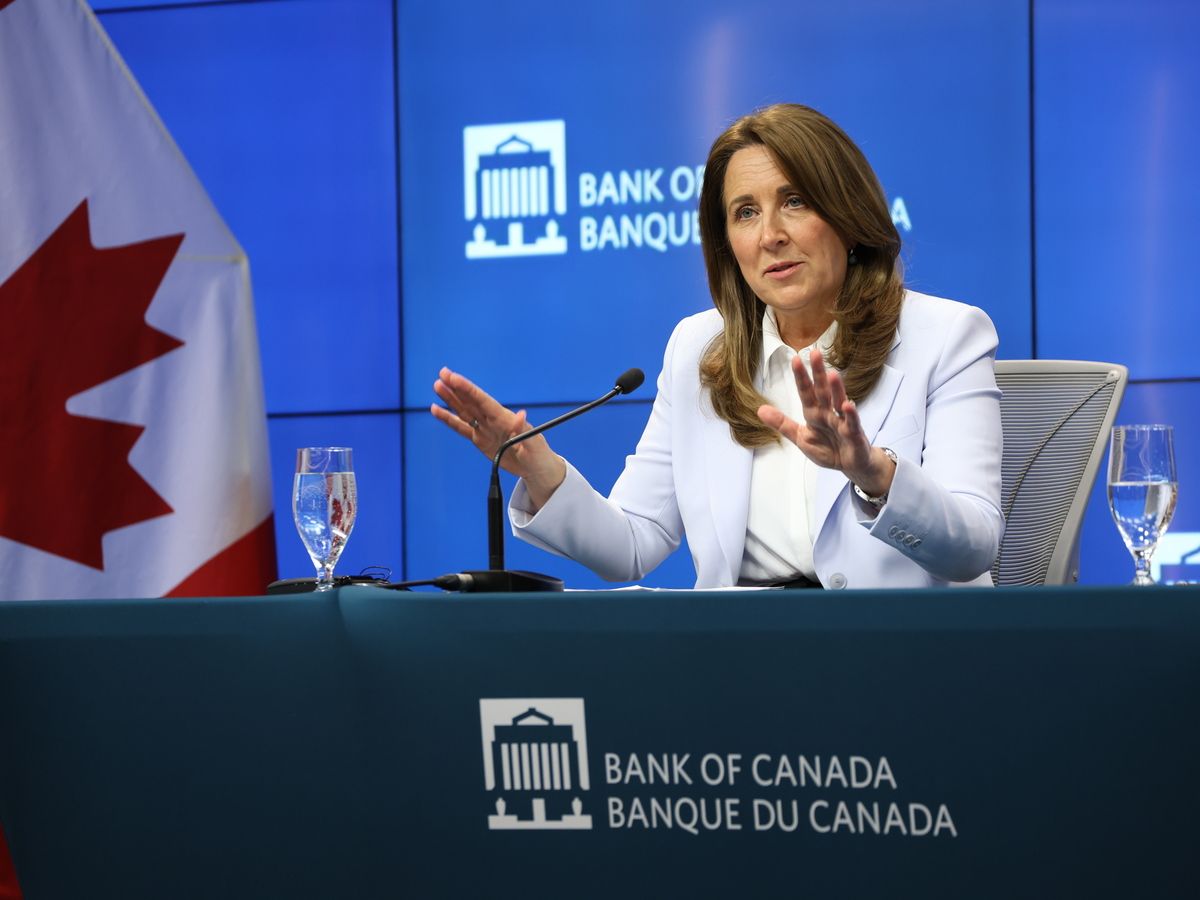
Skip to Content News Archives Economy Energy Oil & Gas Renewables Electric Vehicles Mining Commodities Agriculture Real Estate Mortgages Mortgage Rates Finance Banking Insurance Fintech Cryptocurrency Work Wealth Smart Money Wealth Management Investor Personal Finance Family Finance Retirement Taxes High Net Worth FP Comment Executive Women Puzzmo Newsletters Financial Times Business Essentials More Innovation Information Technology FP500 Podcasts Small Business Lives Told Tails Told Shopping Financial Post Store Obituaries Place a Notice Advertising Advertising With Us Advertising Solutions Postmedia Ad Manager Sponsorship Requests Classifieds Place a Classifieds ad Working Profile Settings My Subscriptions My Offers Newsletters Customer Service FAQ News Economy Energy Mining Real Estate Finance Work Wealth Investor FP Comment Executive Women Puzzmo Newsletters Financial Times Business Essentials Home News Economy Bank of Canada senior deputy outlines dilemma at centre of housing affordability There are no simple fixes and any changes to the Bank of Canada’s monetary policy would come with trade-offs Last updated 13 minutes ago Carolyn Rogers said many policies and regulations have been introduced over the years, both in Canada and abroad, to try and address housing affordability issues. Photo by David Kawai/Bloomberg Housing affordability has been a top concern for Canadians for many years and won’t be solved anytime soon, said Carolyn Rogers , the Bank of Canada’s senior deputy governor, in a speech in Victoria, B.C., on Thursday. Subscribe now to read the latest news in your city and across Canada.
Exclusive articles from Barbara Shecter, Joe O'Connor, Gabriel Friedman, and others. Daily content from Financial Times, the world's leading global business publication. Unlimited online access to read articles from Financial Post, National Post and 15 news sites across Canada with one account.
National Post ePaper, an electronic replica of the print edition to view on any device, share and comment on. Daily puzzles, including the New York Times Crossword. Subscribe now to read the latest news in your city and across Canada.
Exclusive articles from Barbara Shecter, Joe O'Connor, Gabriel Friedman and others. Daily content from Financial Times, the world's leading global business publication. Unlimited online access to read articles from Financial Post, National Post and 15 news sites across Canada with one account.
National Post ePaper, an electronic replica of the print edition to view on any device, share and comment on. Daily puzzles, including the New York Times Crossword. Create an account or sign in to continue with your reading experience.
Access articles from across Canada with one account. Share your thoughts and join the conversation in the comments. Enjoy additional articles per month.
Get email updates from your favourite authors. Create an account or sign in to continue with your reading experience. Access articles from across Canada with one account Share your thoughts and join the conversation in the comments Enjoy additional articles per month Get email updates from your favourite authors Sign In or Create an Account or Rogers said the housing market is facing a dilemma .
Families have less money at their disposal when the majority of their household income goes to rent or mortgage payments — which, in aggregate, can weigh on economic growth. Lower prices can bring some relief for homebuyers , but it can also reduce household wealth, weaken spending and slow sales activity as well as new construction. SUBSCRIBER EXCLUSIVE: FP West: Energy Insider brings you behind the oilpatch’s closed doors with exclusive insights from insiders every Wednesday morning.
By signing up you consent to receive the above newsletter from Postmedia Network Inc. A welcome email is on its way. If you don't see it, please check your junk folder.
The next issue of FP West: Energy Insider will soon be in your inbox. We encountered an issue signing you up. Please try again “This is the heart of the housing affordability dilemma and why it’s so hard to fix,” Rogers said in prepared remarks.
“Housing and housing prices have become about far more than just the cost of shelter. They are now deeply intertwined with household wealth, the stability of our financial system and the strength of our economy.” Rogers said many policies and regulations have been introduced over the years, both in Canada and abroad, to try and address housing affordability issues. These include Canada’s mortgage stress test , which was established in 2017 and did little to improve affordability or curb rising home prices.
The central bank’s low interest rate played a role in the rising prices. While it supported the economy through the COVID-19 pandemic and made mortgages cheaper, it also increased housing demand and prices followed. Housing supply could not keep up with demand due to population growth at the time, along with zoning and infrastructure constraints.
Many also saw housing as a way to build personal wealth instead of simply as a place to live. There are no simple fixes and any changes to the Bank of Canada’s monetary policy would come with trade-offs, Rogers said. If the central bank raises its overnight rate and credit becomes more expensive, it could take some pressure off housing prices by reducing demand.
But it would also slow spending and investment across the economy. Rate cuts could improve housing affordability by making credit more accessible and reducing borrowing costs, but a constrained housing supply and stronger demand could push prices higher. Lower rates would also boost demand more broadly, which could add to inflationary pressure .
Similarly, it is difficult to capture housing costs in inflation measures. The Consumer Price Index measures housing as the cost of shelter over time. This is more straightforward for renters since rental costs can be easily tracked and measured.
It’s more complicated for homeowners because they have ongoing costs like property taxes, insurance, maintenance and mortgage interest. The purchase price of a home is also treated differently, since a home is considered an asset. “For central banks, the best contribution is still price stability.
Low, stable and predictable inflation gives households, businesses, builders and governments a better foundation for decision-making,” Rogers concluded. “Housing must remain an important input into monetary policy decisions, but targeting house prices directly with interest rates would ask monetary policy to do more than it can reasonably do, and would risk imposing costs across the broader economy,” she said. “The goal has to be a policy mix that increases supply, protects resilience and reduces the economy’s dependence on rising house prices.” Join the Conversation This website uses cookies to personalize your content (including ads), and allows us to analyze our traffic.
Read more about cookies here . By continuing to use our site, you agree to our Terms of Use and Privacy Policy .
Source: Financial Post